
Singapore is gearing up for a transformative leap in artificial intelligence by 2026. The government has unveiled an ambitious AI budget. This budget focuses on both free and premium AI tools.
The aim is to position Singapore as a global leader in AI technology. This initiative is part of a broader digital economy strategy. It promises to drive economic growth and innovation.
Free AI tools will be available to small and medium enterprises. This will help them in their digital transformation journey. Larger corporations will benefit from premium AI tools.
The budget also emphasizes research and development. Collaboration between government, industry, and academia is key. This will foster a vibrant AI ecosystem.
AI investments are expected to create new job opportunities. They will also improve efficiency across various sectors. The focus is on areas like healthcare, finance, and smart city solutions.
Ethics and governance are integral to Singapore’s AI strategy. The government is committed to responsible AI use. This ensures inclusive growth and equitable access.
Singapore’s AI initiatives align with global trends. They aim to attract international partnerships. The future of AI in Singapore looks promising.
Overview of Singapore’s AI Budget 2026
Singapore has laid out a comprehensive AI budget for 2026. This budget is designed to steer the nation into the future. It aims to secure Singapore’s role on the global AI stage.
The funding is not limited to one area. Instead, it spreads across diverse sectors. The emphasis is on creating a robust AI infrastructure.
Investment in AI is set to enhance various sectors. The budget will support advancements in fields like healthcare and finance. It is also anticipated to bolster smart city initiatives.
The government has crafted a multi-pronged strategy. Key components include research, innovation, and talent development. This well-rounded approach reflects commitment to holistic growth.
Singapore’s 2026 AI budget focuses on several priorities:
- Enhancing national competitiveness
- Promoting sustainable development
- Empowering local enterprises with AI tools
- Developing responsible AI use and governance
The government envisions a seamless integration of AI into daily lives. This includes both public and private sectors. A critical part of the strategy is establishing AI innovation hubs.
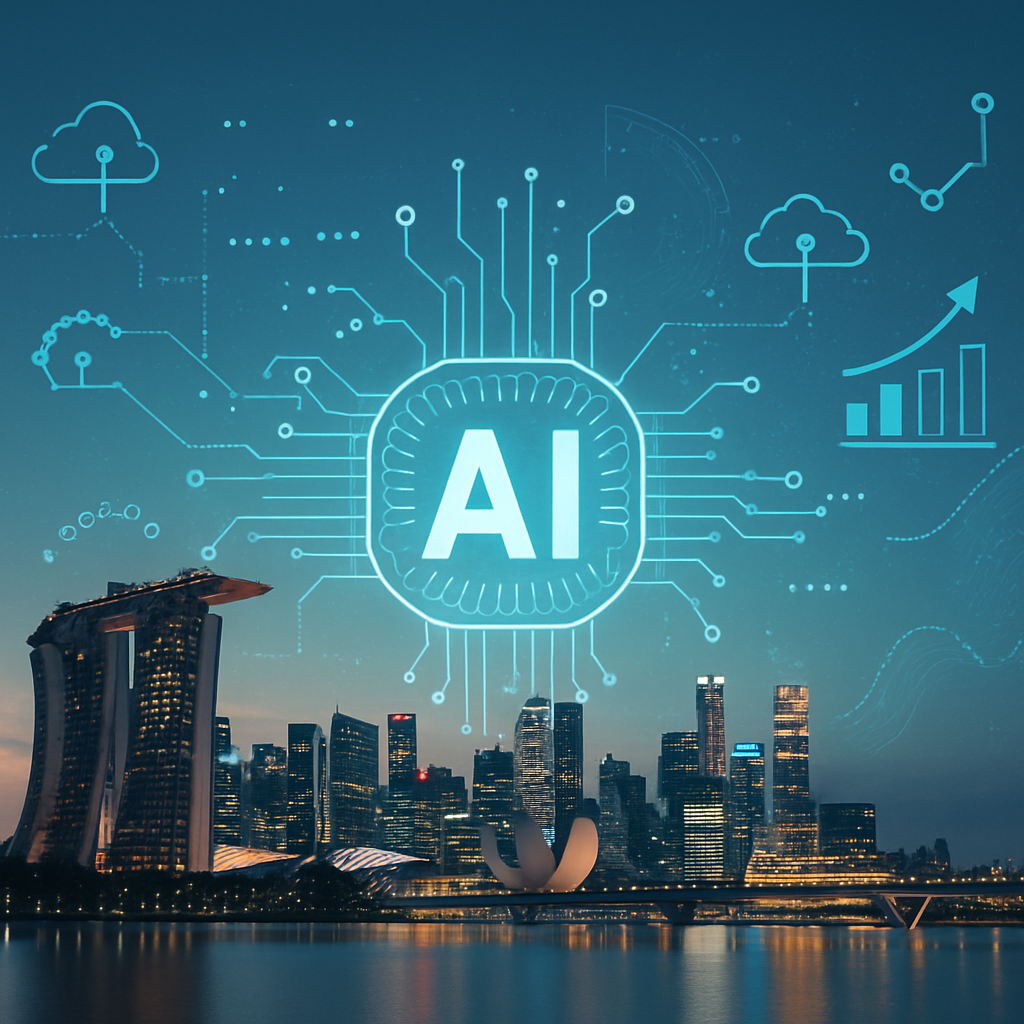
These hubs will be focal points for collaboration. They will encourage partnerships among businesses, researchers, and educators. Such efforts are expected to yield ground-breaking AI solutions.
Key Objectives of the 2026 AI Investment
The 2026 AI investment in Singapore is a strategically planned endeavor. It focuses on driving sustainable growth. The main aim is to enhance economic stability and innovation.
This initiative aims to ensure Singapore stays at the forefront of AI. Developing cutting-edge technologies is a key objective. These technologies will address real-world challenges.
Improving the quality of life for citizens is a primary goal. Advanced AI tools will be integrated into daily activities. This will result in more efficient public services.
The investment also seeks to create a fertile ground for innovation. Supporting startups and SMEs with AI resources is crucial. Promoting a competitive edge will fortify Singapore’s business landscape.
Key objectives include:
- Driving innovation across strategic sectors
- Enhancing public service delivery
- Promoting AI literacy and workforce readiness
- Ensuring ethical AI deployment
- Fostering research collaborations and partnerships
Implementing these objectives requires a collaborative effort. The focus is on inclusive growth and shared prosperity. This ensures that AI benefits all segments of society.
Free and Premium AI Tools: What’s Available?
Singapore’s AI strategy for 2026 emphasizes accessibility. Free and premium AI tools are integral to this approach. They cater to different business needs and sizes.
Small and medium enterprises (SMEs) benefit significantly. Free AI tools are accessible to them. These tools enable digital transformation at minimal cost.
Free tools often include basic analytics and process automation. These tools help improve efficiency. SMEs can experiment with AI without financial strain.
Large corporations require more advanced solutions. Therefore, premium AI tools are designed for them. These tools provide in-depth analytics and machine learning capabilities.
Premium tools help companies gain a competitive edge. They offer tailored insights and robust data processing. This, in turn, boosts strategic decision-making processes.
Available AI tools span various sectors and functionalities. Some key tools include:
- Process automation software
- Predictive analytics platforms
- Natural language processing applications
- Advanced cybersecurity solutions
- AI-driven customer service interfaces
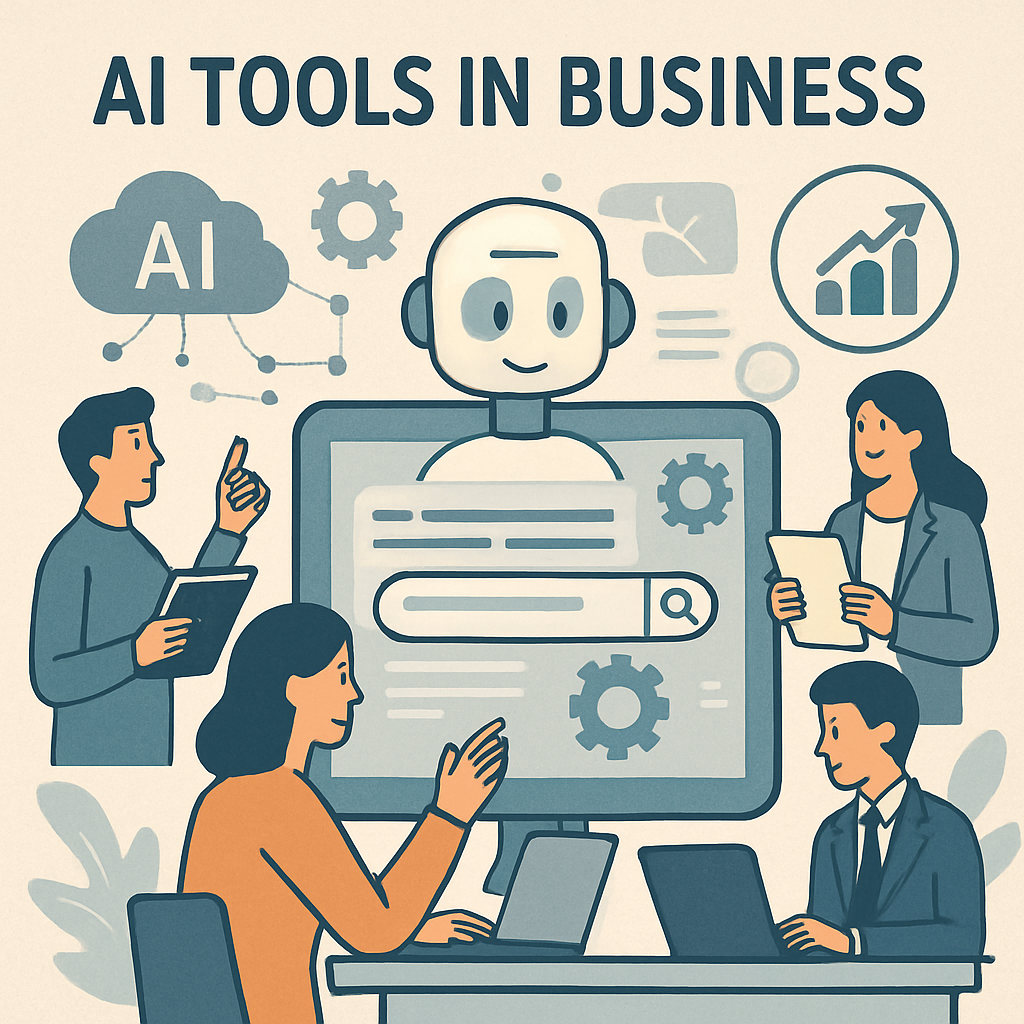
These tools reflect Singapore’s commitment to fostering innovation. They aim to improve productivity across industries. By doing so, they support the digital economy’s rapid growth.
Access to these tools is supported by government initiatives. Workshops and tech fairs often introduce new tools. This encourages widespread adoption and innovation.
In sum, both free and premium AI tools play a pivotal role. They are essential for businesses adapting to the digital age. This supports Singapore’s vision of an inclusive AI ecosystem.
Impact on Businesses: SMEs and Large Corporations
The 2026 AI budget marks a transformative era for businesses in Singapore. AI tools are set to reshape industries. Both SMEs and large corporations stand to benefit.
SMEs often face resource constraints. Yet, with access to free AI tools, they can compete more effectively. These tools streamline operations and enhance productivity.
AI tools for SMEs range from basic automation to analytics. This equips them with insights previously accessible only to larger firms. Improved decision-making becomes attainable.
For large corporations, premium AI tools provide advanced capabilities. These tools help in developing intricate AI models. They support competitive strategies through data-driven insights.
Corporations can optimize various aspects of their operations. This includes:
- Supply chain management
- Customer relationship management
- Market prediction and analysis
- Fraud detection
- Product innovation
Large firms, therefore, gain an edge in innovation and efficiency. AI tools empower them to anticipate market trends. Consequently, they can better align their strategies.
Ultimately, these tools bridge the gap between business sizes. They offer SMEs unprecedented growth opportunities. Meanwhile, they strengthen larger corporations’ market leadership.
AI for the Public: Access, Training, and Upskilling
The AI budget for 2026 emphasizes inclusivity. Public access to AI tools is a top priority. Singapore aims to ensure everyone benefits from AI advancements.
Training programs are being developed across the nation. These programs target different skill levels. They aim to provide citizens with essential AI knowledge.
Upskilling initiatives will benefit workers in transitioning sectors. As industries evolve, new skills become crucial. The government recognizes this need for workforce adaptability.
Public training includes both online and in-person courses. Interactive sessions and workshops are planned. These resources encourage continuous learning and skill improvement.
Essential components of public access and training include:
- Free online AI tutorials and courses
- Workshops on AI applications in daily life
- Certification programs for advanced AI skills
- Community-driven AI learning hubs
By investing in education, Singapore ensures a future-ready population. The focus is on making AI tools accessible to all. This effort aims to minimize the digital divide.

Strategic Sectors Targeted by AI Funding
Singapore’s AI budget for 2026 strategically targets several key sectors. These sectors are pivotal for economic and social development. By focusing on these areas, the nation aims to drive substantial growth and innovation.
Healthcare is a primary focus. AI-driven tools are set to enhance diagnosis and treatment. These advancements promise better patient outcomes and increased healthcare efficiency.
The transportation sector will also benefit significantly. AI will help optimize traffic management and reduce congestion. Public transit systems will see marked improvements in reliability and passenger experience.
Environmental sustainability is another critical area. AI solutions will enhance conservation efforts and resource management. These tools are crucial for creating a sustainable future.
Industries identified for AI investment include:
- Healthcare and medical research
- Transportation and logistics
- Environmental sustainability and conservation
- Finance and fintech innovations
- Smart city infrastructure and services
Singapore’s strategic focus aligns with global trends. These efforts ensure that the nation remains competitive on the world stage. By targeting these sectors, Singapore prepares for a future rich with opportunity.
AI Ethics, Governance, and Responsible Use
Singapore’s AI strategy prioritizes ethical standards and governance. Ensuring responsible use of AI is a central goal. It helps gain public trust and ensures sustainable integration.
Robust governance frameworks are in place. They guide AI development and deployment. These frameworks aim to address both ethical and operational challenges.
Ethics in AI encompass several key areas. Transparency in AI operations is crucial. There must also be accountability in AI decision-making processes. Privacy and data security stand as cornerstones of this strategy.
Key ethical considerations include:
- Transparency in AI operations
- Accountability in AI decisions
- Privacy and data security measures
- Fair and unbiased algorithm performance
- Equitable access to AI technology
Through these measures, Singapore ensures that AI technologies bring benefits without compromising core ethical values. This focus on ethics and governance fosters confidence among users and stakeholders alike.
Collaboration: Government, Industry, and Academia
Singapore’s AI initiatives thrive on strong collaboration. The government, industry, and academia form a dynamic triad. This synergy fosters innovation and drives AI development forward.
The government plays a pivotal role. It provides vision and resources essential for AI growth. Government policies encourage wide-reaching collaboration across sectors.
Industry partners contribute through expertise and practical application. They implement AI tools to solve real-world challenges. Their involvement accelerates the uptake of cutting-edge technologies.
Academia offers research and intellectual capital. It aids in advancing AI technologies. This ensures that Singapore remains at the forefront of global AI trends.
Key collaborative efforts include:
- Joint research projects across institutions
- Public-private partnerships for AI tool development
- Industry-academia knowledge exchange initiatives
- Government-led AI innovation forums
These collaborations create a robust AI ecosystem. By uniting diverse stakeholders, Singapore accelerates its progress toward becoming a premier AI hub.
Future AI Tools: Innovation and Global Trends
Singapore is poised to innovate with AI. The 2026 budget focuses on emerging AI tools. These tools align with global trends in AI technology.
Future AI tools will target various sectors. They include healthcare, transportation, and smart cities. Each tool aims to boost efficiency and enhance service delivery.
Innovation is a cornerstone of Singapore’s AI strategy. The nation seeks to lead in AI development. This involves adopting the latest technologies and setting standards.

Global trends in AI are rapidly evolving. Singapore closely monitors these shifts to stay competitive. The nation plans to integrate these trends into its AI initiatives.
Key focus areas for future AI tools:
- Advancements in AI-driven healthcare solutions
- AI integration for sustainable urban development
- Enhanced AI applications in financial services
- AI solutions for global connectivity
By staying ahead of these trends, Singapore strengthens its AI strategy. This commitment ensures a significant impact on its digital future.
Challenges and Risks in AI Adoption
Adopting AI presents its own set of challenges. One major concern is data privacy, which remains a critical issue. Ensuring security and ethical use of AI is paramount.
AI technology evolves quickly, often outpacing regulations. This rapid pace can lead to governance gaps. Such gaps require prompt regulatory adaptations and oversight.
To address these challenges, Singapore emphasizes:
- Strengthening data protection frameworks
- Establishing clear AI governance standards
- Encouraging ethical AI development
- Conducting ongoing risk assessments
By acknowledging these risks, Singapore aims to ensure responsible AI use. This proactive approach minimizes potential negative impacts. It also sets a foundation for secure AI integration.
Singapore’s Global Position and International Partnerships
Singapore continually strengthens its status as an AI powerhouse. Its strategic initiatives attract global attention. With a robust AI framework, it remains at the forefront.
International collaboration is a key element of Singapore’s AI strategy. By joining forces with other nations, Singapore fosters AI innovation. These collaborations also bolster research and development.
Key areas of international partnership include:
- Joint AI research projects
- Cross-border AI standards development
- Sharing best practices and insights
- Engaging in global AI policy discussions
Through these partnerships, Singapore aims to enhance its AI capabilities further. These efforts ensure it retains a leadership position in AI technology. The collaborative approach fosters mutual growth and learning.
The Big Picture: The Road Ahead for AI in Singapore
Singapore’s commitment to AI is evident in its bold 2026 budget. This financial dedication will set a foundation for future growth. The strategy emphasizes both innovation and inclusivity.
By funding both free and premium AI tools, Singapore aims for a digital transformation. These tools are tailored for diverse business needs. This dual approach ensures no one is left behind in the AI revolution.
Training and upskilling are at the core of Singapore’s AI initiatives. Preparing the workforce for AI-driven changes is crucial. This effort ensures continued economic vitality and innovation.
Singapore stands as a beacon for responsible AI use. Its governance frameworks demonstrate a balanced approach. As AI evolves, Singapore’s leadership will guide ethical and sustainable advancements. Embracing these facets ensures a vibrant AI future, poised for global collaboration.
Singapore’s Budget 2026 just made AI adoption significantly cheaper for businesses and professionals — if you know where to look.
On 12 February 2026, Prime Minister Lawrence Wong announced that Singaporeans who enrol in selected AI training courses will receive six months of free access to premium AI tools. That’s on top of existing SkillsFuture subsidies, an expanded Productivity Solutions Grant for SMEs, and a new 400% tax deduction for AI spending. Together, these measures make this the most favourable window Singapore has ever created for businesses and individuals to adopt AI affordably.
If you’re an SME owner wondering whether now is the right time to invest in AI, or a professional unsure whether upskilling is worth the cost — this article breaks down exactly what’s available, who qualifies, and how to get started.
What QD Academy Offers Under SkillsFuture
At QD Academy, our AI training programmes are designed specifically for the context Budget 2026 is responding to — practical, applied, and built for the Singapore workplace.
Our courses cover AI for sales and marketing, AI-powered productivity for teams, generative AI for professionals, and AI integration for SME operations. Every programme is grounded in real tools and real workflows, not theory.
All QD Academy courses are SkillsFuture-claimable, with subsidies of up to 90% for eligible professionals under the Mid-Career Enhanced Subsidy. The Career Conversion Programme is also available for individuals making a structured career transition with employer support.
Coming up:
- Mastering AI for Sales Growth and Team Dynamics — 7-8 April 2026
- AI-Powered Productivity — 17 April 2026
Browse all courses and check your SkillsFuture eligibility →
FAQ
When exactly does the free AI tool access start?
Free AI subscriptions are slated to roll out in the second half of 2026, with details of qualifying courses and the specific AI platforms still to come. MOM has confirmed discussions are ongoing with Google, Microsoft, OpenAI, and Manus. Exact qualifying courses will be announced closer to the rollout.
Do I need to enrol in a course right now to qualify?
Not necessarily — but enrolling in a qualifying AI course before the scheme launches positions you well. The government has indicated the subscription will be tied to selected SkillsFuture AI courses. Taking relevant courses now builds your skills and readiness. Watch the SkillsFuture website for the official qualifying course list.
Can Singapore PRs access SkillsFuture Credit and these subsidies?
Yes. Singapore Permanent Residents are eligible for SkillsFuture Credit and most SSG-funded course subsidies. The free premium AI tool access scheme announced in Budget 2026 is specifically for Singaporeans, but PRs retain access to course subsidies, and the enhanced PSG is available to all eligible Singapore-registered SMEs regardless of whether the owner is a citizen or PR.
What’s the difference between PSG and SkillsFuture funding?
PSG (Productivity Solutions Grant) is for businesses — it subsidises the cost of adopting pre-approved digital and AI tools or software. SkillsFuture funding is for individuals — it covers the cost of training courses. An SME can use both: PSG to adopt tools, and SkillsFuture (plus SFEC) to train their team to use those tools effectively.
What types of AI tools does the PSG cover for SMEs?
In 2026, the PSG includes a broad range of pre-approved tools such as ERP tools, CRM platforms, cloud solutions, and mobile apps. New in 2025 and continuing into 2026, PSG encourages adoption of generative AI tools for sales, customer engagement, and marketing automation. Check the GoBusiness Gov Assist portal for the current approved list.
Is there any risk to waiting and seeing how the scheme develops?
The risk of waiting is that the most accessible window may narrow. Grant schemes are periodically reviewed and adjusted. The current combination of MCES subsidies, PSG expansion, SFEC, and incoming free tool access is unusually generous. Businesses and professionals who act during this window will compound the benefit — they’ll have the skills, the tools, and the head start before their competitors move.